Understanding the Menstrual Cycle:
What Matters Most?
When it comes to the female menstrual cycle, many ask: What’s the most important part? The answer can vary, but one thing is certain—tracking the cycle through a menstrual calendar is essential. Knowing when ovulation occurs can help in understanding fertility, hormonal health, and overall well-being.
The menstrual cycle is a natural, monthly process experienced by sexually mature females. It consists of two closely connected cycles—the ovarian cycle and the uterine cycle—which work together to support reproductive health.
-
Ovulation is a key part of this cycle, where an egg is released from the ovary.
-
Menstruation (also called a period or menses) is when the body sheds the uterine lining through the vagina if fertilization doesn’t occur.
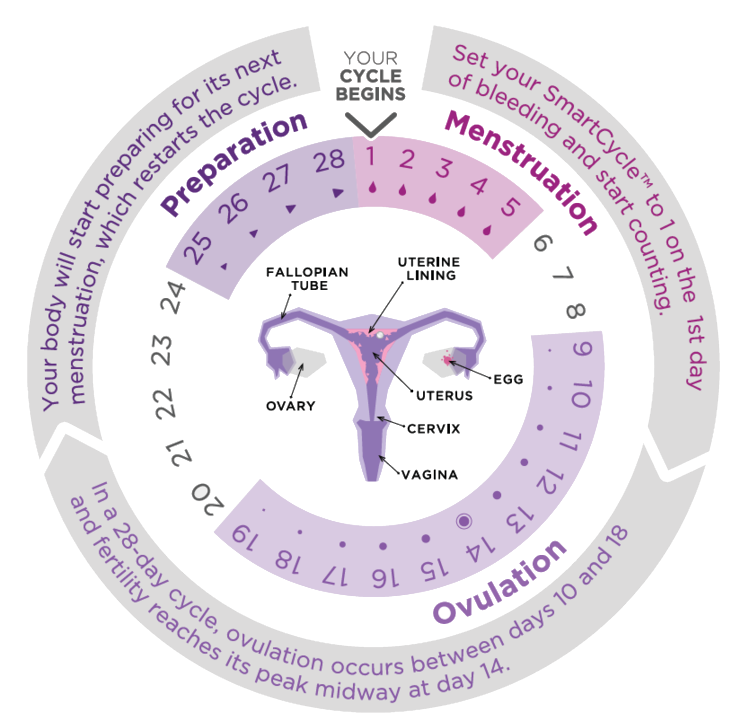
The menstrual cycle is typically divided into the following phases:
-
Menstrual Phase (Days 1–4):
This marks the beginning of the cycle. The lining of the uterus (endometrium) breaks down and is expelled from the body as menstrual flow. Blood vessels constrict and tissues detach, exiting the body through the vagina. -
Follicular Phase:
During this stage, a follicle in the ovary matures and prepares to release an egg. Hormone levels begin to rise, signaling the body to rebuild the uterine lining. -
Ovulation:
Around the midpoint of the cycle, the matured egg is released. This is the most fertile period of the cycle, making it especially important to track for those trying to conceive—or avoid pregnancy. -
Luteal Phase:
After ovulation, the empty follicle transforms into the corpus luteum, which produces hormones to maintain the uterine lining. If fertilization doesn’t happen, hormone levels drop, leading back to menstruation.
Whether for understanding fertility, identifying irregularities, or simply staying in tune with your body, keeping track of your menstrual cycle can be empowering. It allows individuals to notice changes, seek help when needed, and make informed decisions about their reproductive and hormonal health.
| Name of Phase | Days | Events |
|---|---|---|
| Menstrual Phase | 1–4 | Menstruation occurs |
| Follicular Phase | 5–13 | Follicle matures and endometrium develops |
| Ovulation | 14 | Ovary releases an egg |
| Luteal Phase | 15–28 | Follicle becomes the corpus luteum and endometrium prepares for an egg |
Enter Details